Travelling With Psoriasis: Planning For A More Comfortable Journey
Travel can be exciting, restorative & a welcome opportunity to step away from everyday routines. But when you are living with psoriasis, travelling may also bring additional considerations.
Changes in climate, disrupted routines, stress, long journeys & access to medication can all affect how your skin feels while you are away. For some people, sunshine & warmer weather may improve symptoms, while for others, heat, humidity, sweating or sun exposure can make their skin more uncomfortable.
A long-term health condition should not automatically limit where you travel. Understanding your individual needs & planning around them can help you feel more prepared & confident about your journey.
Understanding Psoriasis
Psoriasis is a non- contagious chronic, immune-mediated inflammatory condition that primarily affects the skin. It can cause patches of skin that are dry, itchy, sore, scaly or uncomfortable, although symptoms & severity vary considerably between individuals (1).
Living with psoriasis can also have an impact beyond the physical symptoms. Visible skin changes, discomfort & uncertainty around flare-ups can affect confidence & emotional wellbeing, including when travelling (2).
The important thing to remember is that there is no single travel plan that will work for everyone with psoriasis. Your individual triggers, treatment, general health & destination all need to be considered.
How Can Travel Affect Psoriasis?
Travel introduces changes to our normal environment & routine, some of which may influence psoriasis symptoms.
☀️ Sun Exposure
Some people find that moderate exposure to sunlight improves their psoriasis. Ultraviolet light can slow the rapid growth of skin cells associated with psoriasis & controlled UV therapy is sometimes used as a medical treatment.
However, this does not mean that more sun is better. Sunburn damages the skin & may potentially trigger or worsen psoriasis in some people. Appropriate sun protection remains important, particularly in destinations with high UV levels (3).
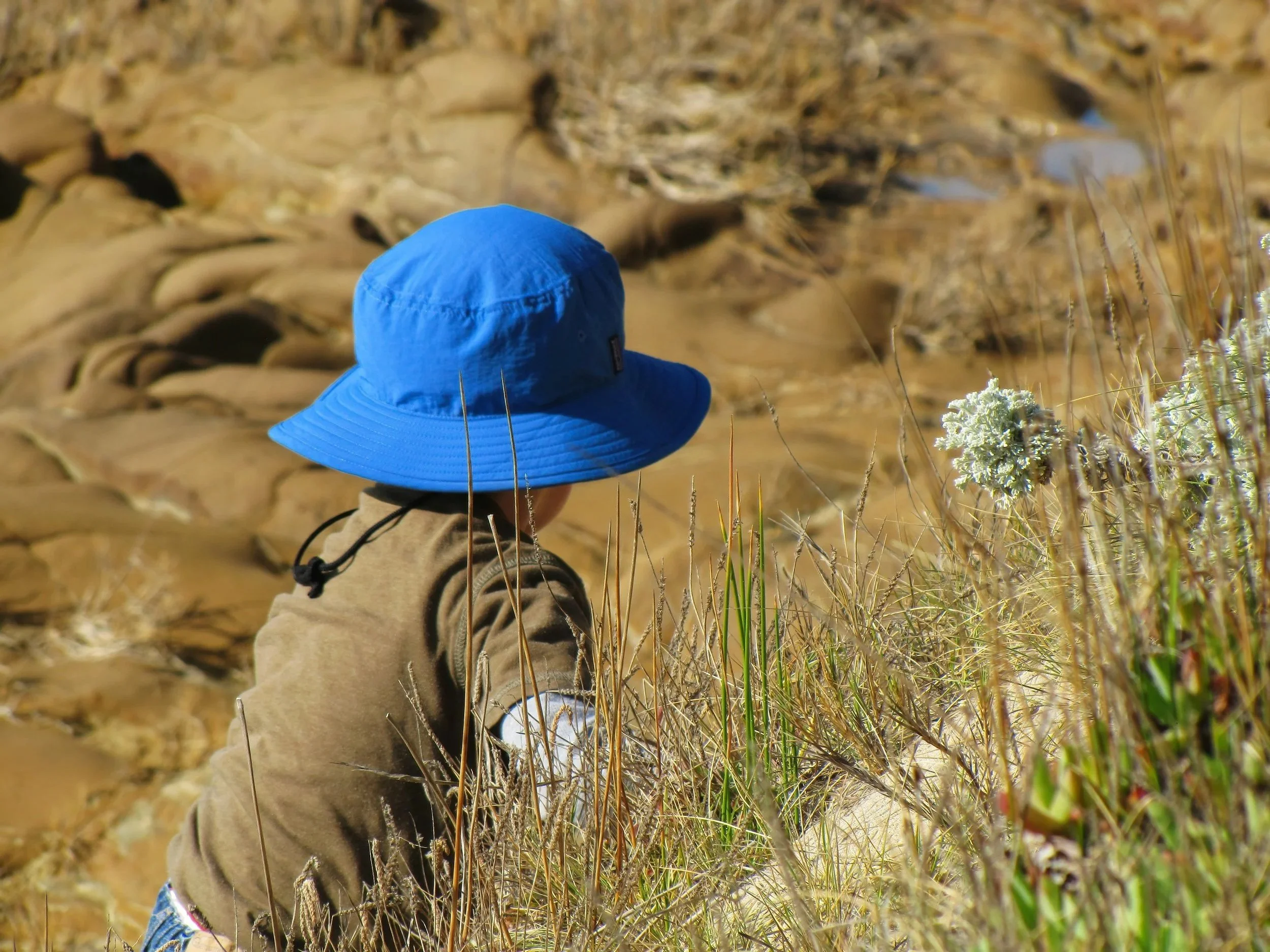
If you use topical or systemic treatments, check whether they increase your sensitivity to sunlight & seek individual advice if you are unsure.
🌡️ Heat & Humidity
Warm, humid climates can be beneficial for some people because moisture in the air may help prevent the skin from becoming excessively dry. For others, heat can mean increased sweating, friction & irritation, particularly around skin folds or underneath tight clothing.
Loose, breathable clothing, staying hydrated & having opportunities to cool down can make travelling in hotter climates more comfortable.
❄️ Cold & Dry Conditions
Cold temperatures, low humidity & indoor heating can contribute to dry skin & may aggravate psoriasis symptoms (5).
If you are heading somewhere cold, consider packing an adequate supply of your usual moisturisers & emollients for protecting exposed skin from cold, wind & rapid temperature changes.
Hotel heating & air conditioning can also create surprisingly dry environments, so your skin may need additional moisturising even when you are spending much of your time indoors.
Stress, Sleep & Changes in Routine
The physical environment is only part of the picture. Travel can involve early starts, flight delays, unfamiliar surroundings, disrupted sleep & changes to eating, drinking & exercise routines.
Stress is a recognised trigger for psoriasis in some people, so building some flexibility into your itinerary may be particularly helpful. Rather than filling every day from morning until evening, consider allowing time for rest & recovery. A slower itinerary isn't necessarily a less rewarding one.
Good travel planning should work around your health rather than asking your health to keep up with your itinerary.
Travelling with Psoriasis Medication
If you take regular medication, preparation is particularly important (4).
Before travelling, consider:
Taking enough medication for your entire trip, with some additional supply where appropriate in case of delays.
Keeping medication in its original labelled packaging.
Carrying essential medication in your hand luggage rather than checked baggage.
Checking whether your medication has specific temperature or storage requirements.
Checking airline requirements if you need to travel with injectable medication, needles or other medical equipment.
Researching medication restrictions at your destination, particularly when travelling internationally.
Carrying a copy of your prescription or supporting medical documentation where appropriate.
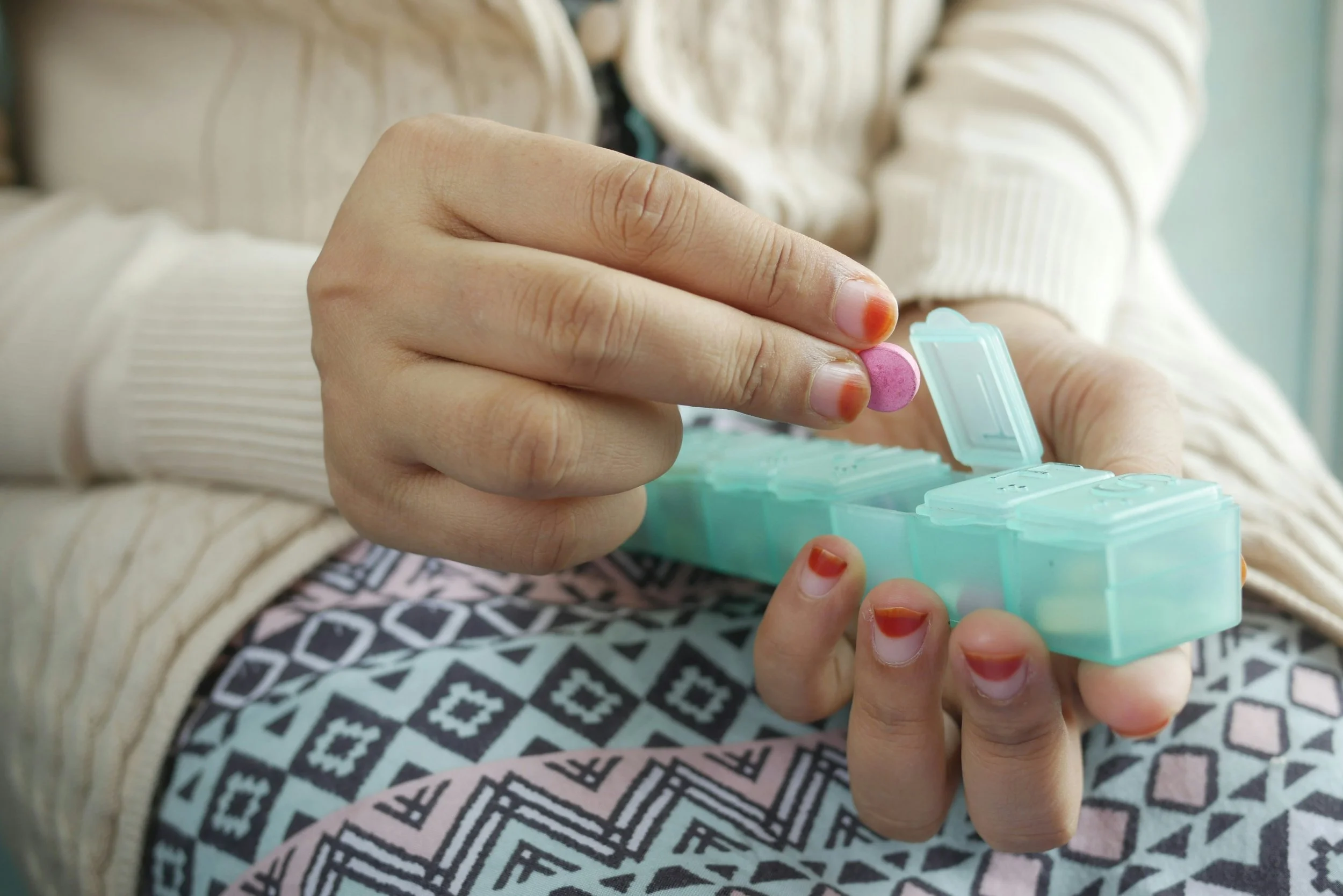
Depending on your treatment, destination & planned activities, this may influence travel health recommendations, including considerations around infections & vaccinations.
Some psoriasis treatments can affect the immune system. This is one of the reasons personalised travel health advice can be particularly valuable for people living with long-term conditions.
Swimming with Psoriasis
A swimming pool, sea or spa can be an important part of a holiday, but having psoriasis does not necessarily mean you need to avoid them. However, chlorine, salt water & other chemicals may affect people's skin differently.
Rinsing your skin with fresh water after swimming & applying your usual moisturiser or emollient afterwards may help reduce dryness & irritation. If your skin is cracked, bleeding or infected, you may need individual advice before swimming.
Choosing Your Destination
There isn't a universal "best destination" for someone living with psoriasis.
Instead, think about the conditions in which your skin usually feels at its best (6).
Consider:
✔️Climate - Does your psoriasis tend to improve in warm weather, or does heat and sweating make symptoms worse?
✔️Humidity - Does your skin become particularly dry in low-humidity environments?
✔️Sun exposure - How does your skin normally respond to sunlight?
✔️Healthcare access - If you experience a significant flare or another health problem, what healthcare facilities are available locally?
✔️Activities - Will your trip involve hiking, swimming, skiing, long days outdoors or activities that may increase heat, sweating or friction?
✔️Pace - Will your itinerary give you enough time to rest & maintain your normal skin-care routine?
Don't Forget Travel Insurance
When travelling with a long-term health condition, appropriate travel insurance is essential.
Psoriasis should be declared when required, along with other pre-existing medical conditions. If you take immunosuppressive or biological medication, make sure you understand exactly what your policy covers (7).
The cheapest policy is not always the most appropriate, so read the terms carefully & check that your cover reflects your health, destination & planned activities.
Travelling with Confidence
Living with psoriasis does not mean giving up the places you want to see or the experiences you want to have, but it may mean approaching travel a little differently. Choosing an appropriate destination, preparing & storing medication correctly & planning for changes in climate, routine & sun exposure can all help you manage your psoriasis while away & travel with greater comfort and confidence.

Understanding your triggers & building your health needs into your itinerary can all help reduce some of the uncertainty around travelling with a long-term condition.
How Journeys For Health Can Help
At Journeys For Health, travel planning starts with the individual, by providing personalised travel health support for people who may need additional consideration when planning a journey, including those living with long-term health conditions.
Support can include reviewing how your health needs may interact with your destination, medication & travel considerations, climate & environmental factors, access to healthcare, pacing & practical contingency planning.
We help you understand the considerations that apply to you, so you can make informed decisions & approach your journey with greater confidence.
Travelling well isn't about ignoring your health needs, but about planning with them in mind.
Travel well. Feel well.
© 2026 Journeys For Health. All rights reserved
Disclaimer
The information provided in this article is for general educational & travel health information purposes only & should not be considered a substitute for personalised medical advice, diagnosis or treatment.
Individual experiences of psoriasis vary, and the effects of climate, sun exposure, swimming, travel, medication & other environmental factors will differ between individuals.
If you have psoriasis or another long-term health condition, particularly if you take immunosuppressive, biological or other specialist medication, speak with your GP, dermatologist, pharmacist or other appropriate healthcare professional before travelling if you have concerns about your condition, treatment, vaccinations or fitness to travel.
Medication regulations, vaccination recommendations, healthcare provision & entry requirements vary between countries & may change. Always check current official guidance for your destination before travelling.
Journeys For Health provides nurse-led travel health information, planning & support. It does not provide medical diagnosis, prescribe medication or replace care from your GP, specialist or other treating healthcare professional.
If you experience a significant deterioration in your health or require urgent medical attention while travelling, seek appropriate local medical care.
References & Further Information
NHS.Psoriasis. Information on psoriasis, symptoms, causes, triggers and treatment.
https://www.nhs.uk/conditions/psoriasis/British Association of Dermatologists (BAD).Psoriasis – Patient Information Leaflet. Guidance covering psoriasis, treatment options and factors that may influence the condition.
https://www.bad.org.uk/pils/psoriasis/Psoriasis Association.Psoriasis and the Sun. Information about sunlight, UV exposure and considerations for people living with psoriasis.
https://www.psoriasis-association.org.uk/NHS Fit for Travel. Travelling with medicines. General advice for travellers taking medication abroad, including documentation, storage and destination-specific considerations.
https://www.fitfortravel.nhs.uk/advice/general-travel-health-advice/travelling-with-medicinesNational Institute for Health and Care Excellence (NICE).Psoriasis: assessment and management (CG153). Evidence-based guidance on the assessment and management of psoriasis.
https://www.nice.org.uk/guidance/cg153UK Government (GOV.UK).Take medicine in or out of the UK. Guidance on travelling internationally with medicines, including controlled drugs and supporting documentation.
https://www.gov.uk/travelling-controlled-drugsForeign, Commonwealth & Development Office (FCDO).Foreign travel advice. Destination-specific information including health, entry requirements, safety and travel insurance considerations.
https://www.gov.uk/foreign-travel-advice
References accessed August 2026. Guidance and destination requirements can change, so travellers should check current information before departure.